
-
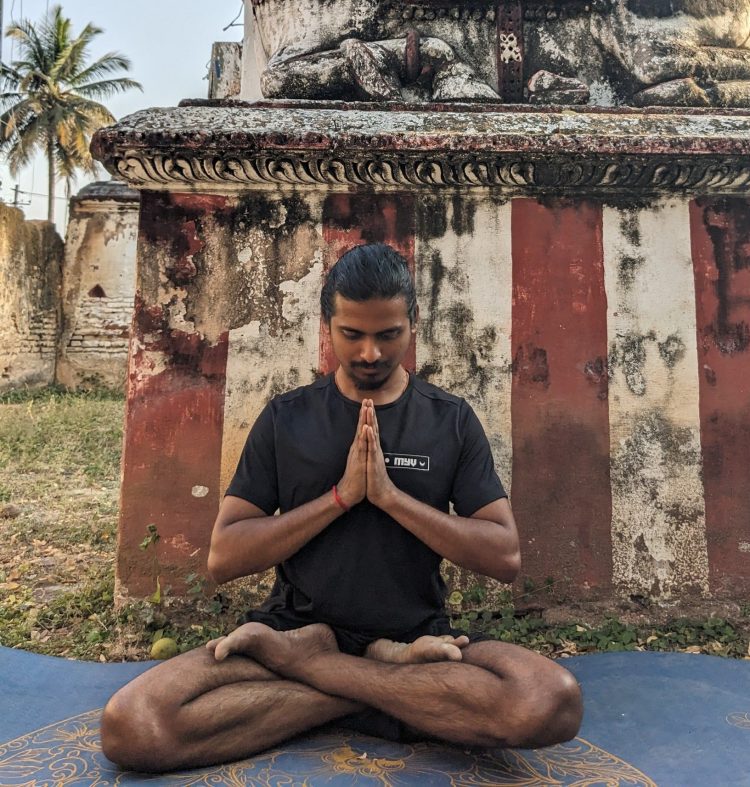
Hatha Yoga, one of the oldest forms of yoga, has roots that trace back to ancient India. The term “Hatha” comes from the Sanskrit words “Ha” (sun) and “Tha” (moon), symbolizing the balance of opposing forces. This practice was first systematized by the sage Swatmarama in the 15th century in his text “Hatha Yoga Pradipika,” which compiled and organized various postures, breathing techniques, and meditative practices aimed at purifying the body and mind.
Asanas: These are the physical postures designed to improve flexibility, strength, and balance. Each posture targets specific body parts and energy centers (chakras).
Pranayama: Breath control exercises that enhance the flow of prana (life force) and promote mental clarity and tranquility.
Importance
Physical Health: Enhances flexibility, strength, and endurance. It also improves posture, balance, and body awareness.
Mental Well-being: Reduces stress, anxiety, and depression through relaxation and mindfulness practices.
Energy Balance: Harmonizes the body’s energy flow, leading to increased vitality and reduced fatigue.
Spiritual Growth: Fosters a deeper connection between the mind, body, and spirit, encouraging self-awareness and personal growth.
Hatha Yoga serves as a foundation for many other yoga styles and is suitable for practitioners of all levels. Its emphasis on balance and harmony makes it a timeless practice that continues to benefit millions worldwide.
 Manjushree Yoga Vidyalaya